
CPO Certified Pool Operator and Owner of Paradise Pool Service LLC
Published
·
Updated:
·
CPO Certified Pool Operator and Owner of Paradise Pool Service LLC
Published
·
Updated:
·
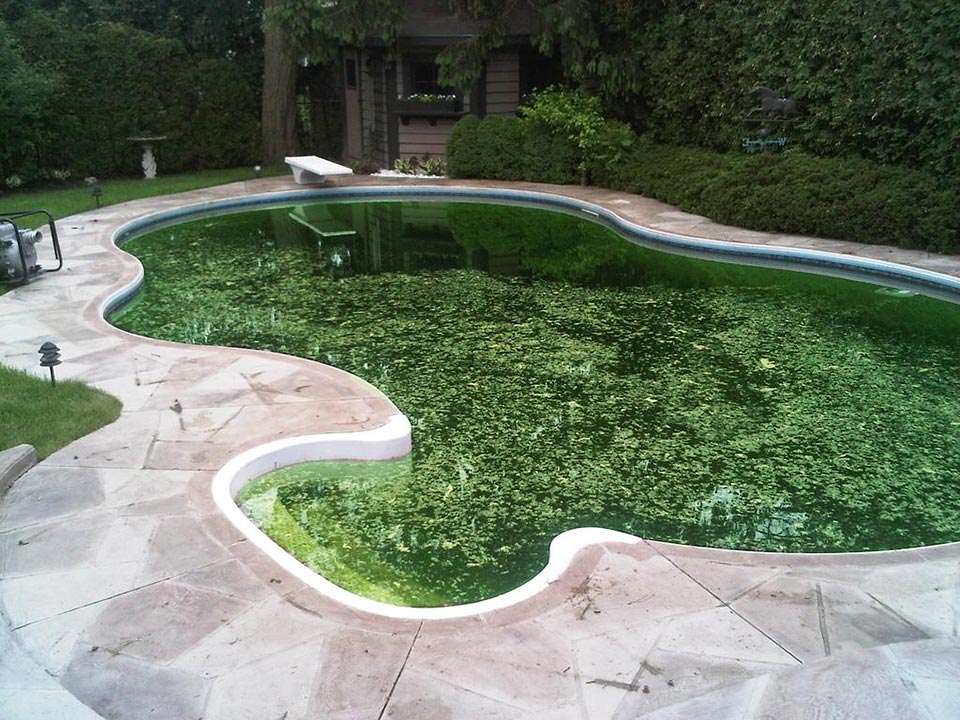
Pool algae can spread fast once it starts growing.
What begins as a slight green tint can quickly turn into cloudy water, slippery surfaces, and a full algae bloom if it is not treated properly.
Many pool owners try adding random chemicals without addressing the real problem, which usually leads to algae returning again shortly afterward.
The fastest way to kill pool algae is by combining proper chemical treatment, circulation, brushing, and filtration together.
Algae develops when pool conditions allow it to spread faster than the sanitizer can control it.
Common causes include:
Low chlorine levels
Poor circulation
Dirty filters
High phosphate levels
Warm temperatures
Inconsistent maintenance
Once algae begins growing, it spreads rapidly through the water and onto pool surfaces.
Check out our most recent blog on 6 Reasons Why Your Pool Can Turn Green Overnight
Before adding treatment chemicals, test the pool water first.
Focus on checking:
Chlorine levels
pH balance
Alkalinity
Cyanuric acid levels
If the water chemistry is severely unbalanced, algae treatments become less effective and cleanup takes much longer.
Balanced water helps chlorine work more efficiently during treatment.
Brushing breaks algae loose from the pool walls and floor so chemicals can reach it more effectively.
Pay close attention to:
Corners
Steps
Behind ladders
Low-circulation areas
Shaded sections of the pool
Algae often attaches tightly to surfaces, especially when it has been growing for several days.
Brushing before treatment significantly improves results.
Pool shock is one of the fastest ways to kill active algae.
Shocking raises chlorine levels high enough to destroy algae spores and contaminants quickly.
When shocking the pool:
Follow dosage recommendations carefully
Run the pump continuously
Apply shock during the evening when possible
Allow proper circulation throughout the pool
The amount of shock needed depends on how severe the algae growth has become.
Mild algae may clear quickly, while severe blooms often require multiple treatments.
Your filtration system plays a major role during algae cleanup.
Once algae dies, the filter removes dead particles and debris from the water.
During treatment:
Run the pump continuously
Monitor filter pressure
Clean or backwash the filter as needed
Empty skimmer and pump baskets regularly
Dead algae can clog filters quickly, especially during large algae cleanups.
After algae begins dying off, debris settles on the pool floor.
Vacuuming removes dead algae before it breaks down further and clouds the water again.
Focus on removing:
Dead algae residue
Dirt and debris
Organic material
Fine particles on the pool floor
In severe cases, vacuuming to waste may help prevent the filter from becoming overloaded.
For more information regarding pool vacuuming and how often you should do it, check out our blog here
A dirty filter can slow algae cleanup significantly.
Algae particles collect inside the filtration system during treatment, which reduces water flow and cleaning efficiency.
Depending on your system, this may involve:
Cleaning cartridge filters
Backwashing sand filters
Cleaning DE grids
Removing trapped debris buildup
Proper filtration helps clear cloudy water much faster after treatment.
Many pools experience recurring algae because the root cause was never fully fixed.
Common reasons algae returns include:
Incomplete shocking
Poor circulation
Dirty filters
Low chlorine levels
High phosphate levels
Inconsistent maintenance
Killing visible algae is only part of the process. Long-term prevention requires fixing the underlying conditions that allowed it to grow.
Not all algae behaves the same way.
Common pool algae types include:
Green algae
Yellow or mustard algae
Black algae
Green algae is the most common and usually the easiest to remove.
Black algae is far more stubborn because it roots itself deep into pool surfaces and often requires aggressive brushing and repeated treatment.
Preventing algae is easier than treating a major outbreak.
Good prevention habits include:
Maintaining proper chlorine levels
Running the pump daily
Cleaning filters regularly
Brushing and vacuuming weekly
Removing debris quickly
Monitoring water chemistry consistently
Consistent maintenance keeps algae from gaining a foothold in the first place.
Some algae problems become difficult to handle without professional equipment or treatment.
You may need professional help if:
The pool stays green after repeated shocking
Water remains cloudy for several days
Black algae continues spreading
Filtration problems are present
Algae keeps returning repeatedly
Severe algae blooms can sometimes indicate larger circulation or equipment issues that require deeper inspection.
The fastest way to kill pool algae is by combining proper water chemistry, brushing, filtration, and circulation together.
Simply adding chlorine without addressing the underlying issue often leads to recurring problems and cloudy water.
Acting quickly when algae first appears makes cleanup much easier and helps prevent larger water quality issues from developing later.
Ed Garcia is the owner of Paradise Pool Service LLC, a family-owned pool service company based in Fairfax, VA. With over 20 years of hands-on experience servicing residential and commercial pools across Washington DC and Northern Virginia, Ed leads a team trusted by 150+ pool owners across the DMV area.