
CPO Certified Pool Operator and Owner of Paradise Pool Service LLC
Published
·
Updated:
·
CPO Certified Pool Operator and Owner of Paradise Pool Service LLC
Published
·
Updated:
·
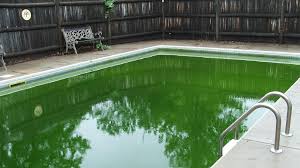
A green pool can seem like it happened overnight.
One day the water looks clear, and the next morning it suddenly has a green tint, cloudy appearance, or visible algae growth.
Most pool owners immediately assume they just need more chlorine, but green pool water is usually caused by a combination of chemistry, circulation, and maintenance issues.
Understanding what caused the problem is the first step toward fixing it properly and preventing it from happening again.
Chlorine is the primary sanitizer that keeps algae and bacteria under control.
When chlorine levels drop too low, algae can begin growing rapidly, especially during warm weather or periods of heavy pool use.
Common causes of low chlorine include:
High temperatures
Heavy rainfall
Increased swimmer activity
Strong sunlight exposure
Delayed chemical maintenance
Even a short period without proper sanitizer levels can allow algae to spread quickly throughout the water.
Your pool relies on circulation to move chemicals evenly and prevent stagnant areas.
When circulation becomes weak, algae often develops in areas with limited water movement.
Common circulation problems include:
Dirty filters
Weak pump performance
Clogged skimmer baskets
Blocked return lines
Inadequate pump runtime
Poor circulation allows contaminants to remain in the water longer and creates ideal conditions for algae growth.
A pool filter removes debris, contaminants, and small particles from the water.
If the filter becomes clogged or damaged, it cannot properly support water clarity or algae prevention.
Common filter-related issues include:
Dirty cartridges
Old sand media
Damaged DE grids
High filter pressure
Reduced water flow
When filtration weakens, algae and organic material build up much faster. If you're struggling with your pool filter then check out this guide on most common reasons why your pool filter isn't working properly.
Storms introduce large amounts of contaminants into pool water very quickly.
This often includes:
Dirt and debris
Organic material
Phosphates
Pollen
Rainwater dilution
Heavy rain can also dilute chlorine levels and disrupt water balance, making it easier for algae to grow almost immediately after a storm passes.
Pools that are not cleaned and rebalanced afterward often turn green within a short period of time.
Phosphates act as a food source for algae.
Even if chlorine levels appear normal, high phosphate levels can still increase the likelihood of algae growth when maintenance slips.
Common phosphate sources include:
Leaves and organic debris
Fertilizers
Pollen
Yard runoff
Swimmer contamination
High phosphates alone do not always turn a pool green, but they create conditions where algae spreads much more aggressively.
Many green pool problems come from delayed or inconsistent maintenance routines.
Skipping basic maintenance tasks allows multiple small issues to build up over time.
This includes:
Irregular chemical testing
Infrequent brushing
Poor vacuuming habits
Delayed filter cleaning
Inconsistent pump schedules
Once algae begins forming, it can spread extremely fast, especially during warmer months.
Most pools show warning signs before the water becomes fully green.
Look for:
Slight cloudy appearance
Dull water color
Slippery pool walls
Green tint near steps or corners
Weak chlorine readings
Increased debris buildup
Catching these signs early often prevents a full algae bloom.
If your pool has already turned green, acting quickly helps prevent the problem from getting worse.
Start with:
Testing and balancing water chemistry
Brushing pool surfaces thoroughly
Cleaning the filter system
Vacuuming debris
Shock treating the water if needed
Running the pump continuously during cleanup
The longer algae remains untreated, the harder it becomes to fully remove.
Preventing algae is much easier than removing it.
Consistent maintenance goes a long way toward keeping your pool clean and stable.
Key prevention steps include:
Maintain proper chlorine levels
Run the pump long enough daily
Clean filters regularly
Brush and vacuum weekly
Remove debris quickly
Monitor phosphate and chemical levels
A properly maintained pool is far less likely to experience sudden algae problems.
Pools usually do not turn green for a single reason. In most cases, multiple small issues combine to create the perfect environment for algae growth.
Low chlorine, poor circulation, dirty filters, and inconsistent maintenance are some of the most common causes.
Understanding what triggered the issue helps you fix the problem faster and reduces the chances of it happening again in the future.
Ed Garcia is the owner of Paradise Pool Service LLC, a family-owned pool service company based in Fairfax, VA. With over 20 years of hands-on experience servicing residential and commercial pools across Washington DC and Northern Virginia, Ed leads a team trusted by 150+ pool owners across the DMV area.