
Trusted by over 150+ Virginia pool owners
Family Owned & Operated
Licensed & Insured
No Long-Term Contracts
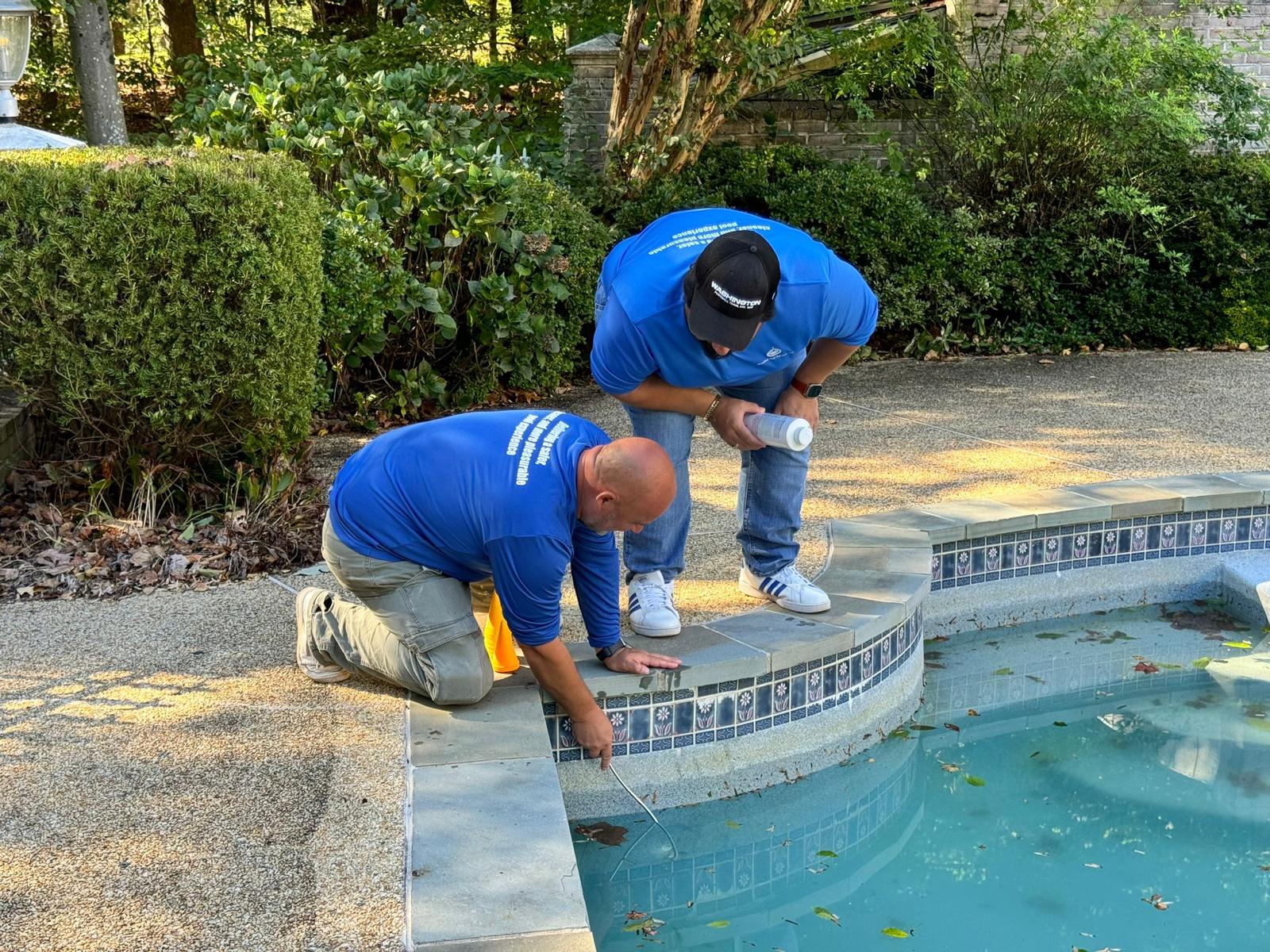
Is Your Pool Leaking or Is It Just Evaporation?
Every pool loses some water naturally through evaporation and normal use. The question is whether your pool is losing more water than those normal conditions can explain.
If you are constantly refilling the pool, noticing an unusual drop in the water level, struggling to keep the chemistry stable, or seeing other signs of water escaping from the pool or plumbing system, then it might be a leak.
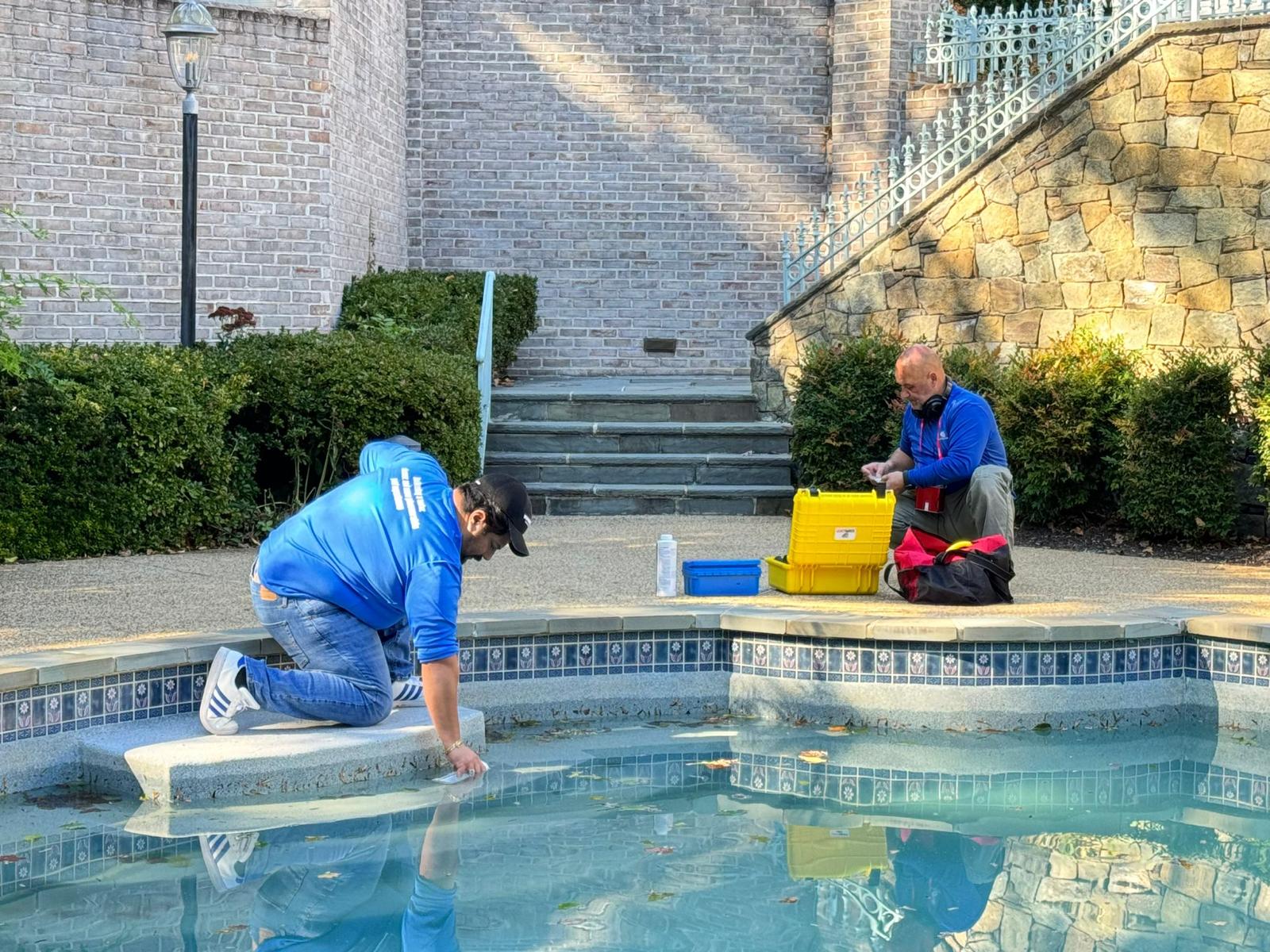
Professional pool leak detection is the process of testing the pool, plumbing, fittings, and other components to determine whether a leak is present and narrow down where the water is escaping.
If you aren't sure whether you're dealing with evaporation or an actual leak, a simple bucket test can be a useful first step before scheduling professional detection.
A falling water level does not always mean your pool is leaking, but repeated or unexplained water loss is worth paying attention to. Common warning signs include:
Having to add water more frequently than usual
Water level dropping more than ¼ inch per day
An unexplained increase in your water bill
Difficulty keeping pool chemicals balanced
Visible cracks, liner damage, loose fittings, or damaged tile
Wet or unusually soft ground around the pool or equipment
One symptom alone may not confirm a leak. What matters is the pattern and whether the water loss continues.
Where Do Pool Leaks Usually Occur?
Pool leaks can develop in several different parts of the system, which is why locating them can require more than simply looking around the pool.
Pool Plumbing: Underground suction and return lines can develop leaks that are impossible to see from the surface.
Skimmers & Fittings: Leaks can develop around skimmers, returns, lights, fittings, and other points where components penetrate the pool shell.
Vinyl Liners: Vinyl pools can lose water through small tears, punctures, seams, fittings, or other damaged areas.
Pool Shell & Surface: Cracks or deterioration in concrete, plaster, and other pool surfaces can sometimes allow water to escape.
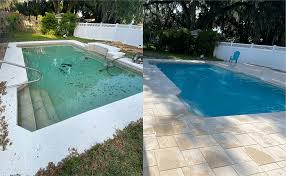
Before
After
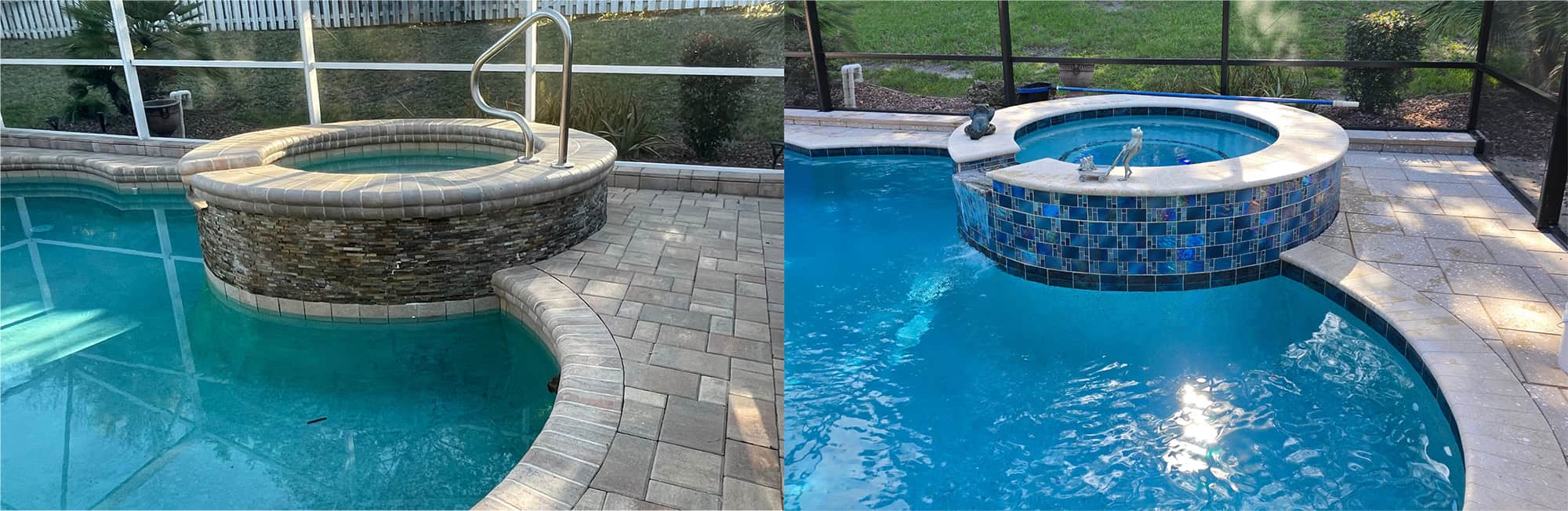
Before
After
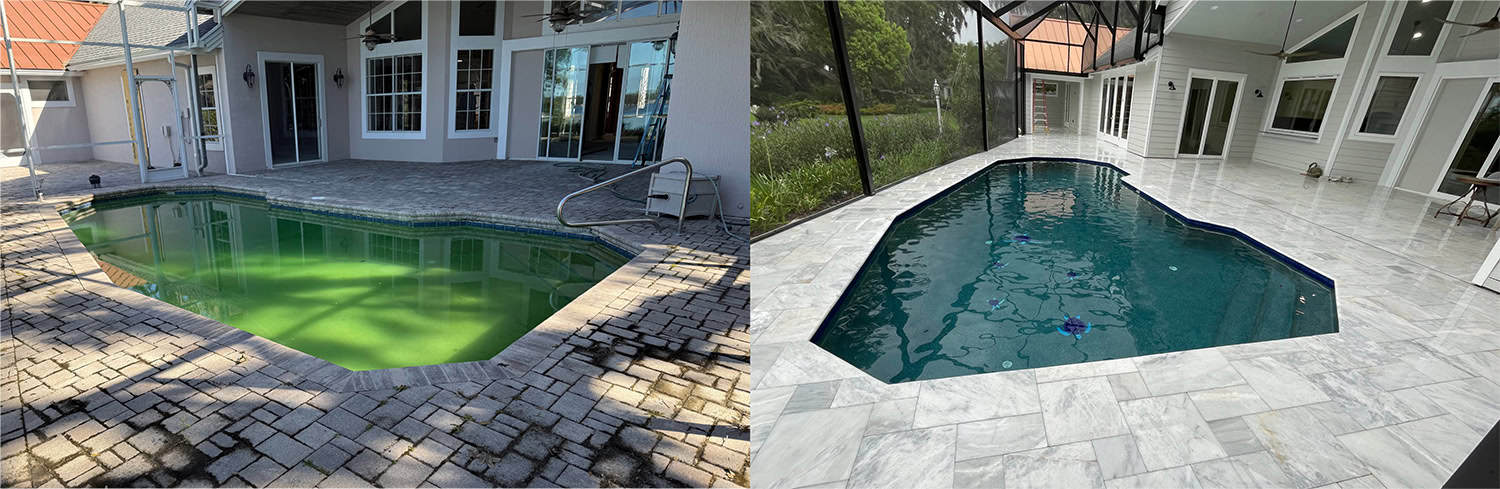
Before
After
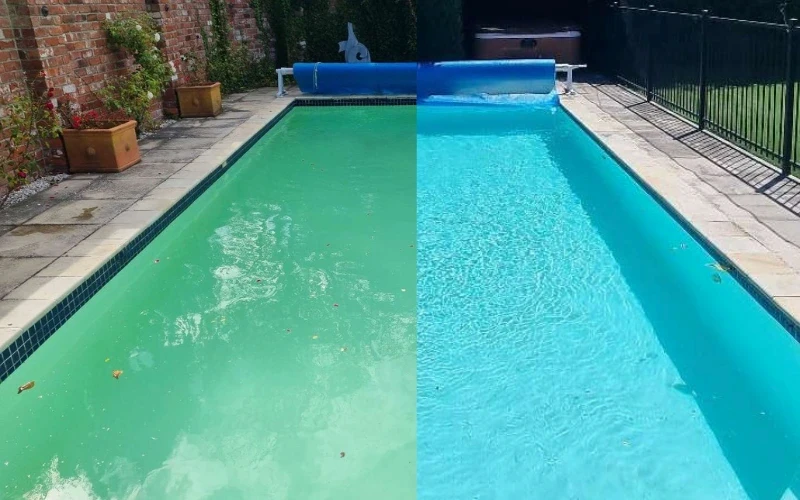
Before
After
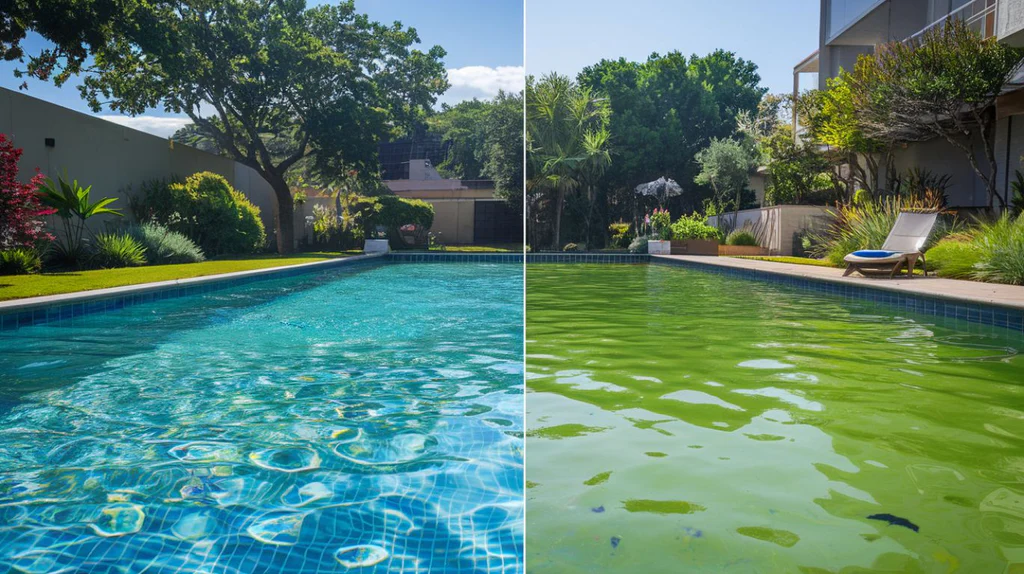
Before
After
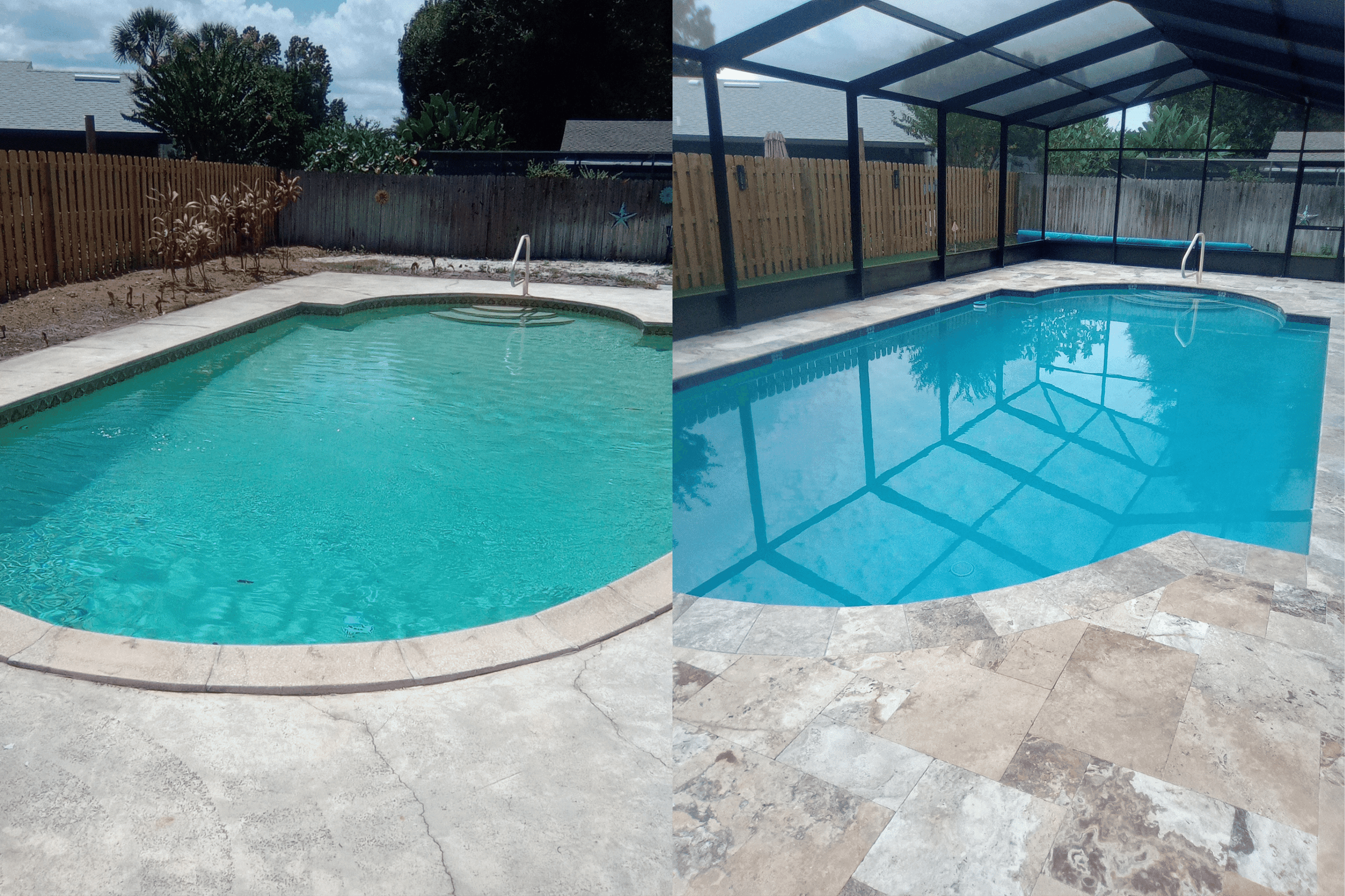
Before
After
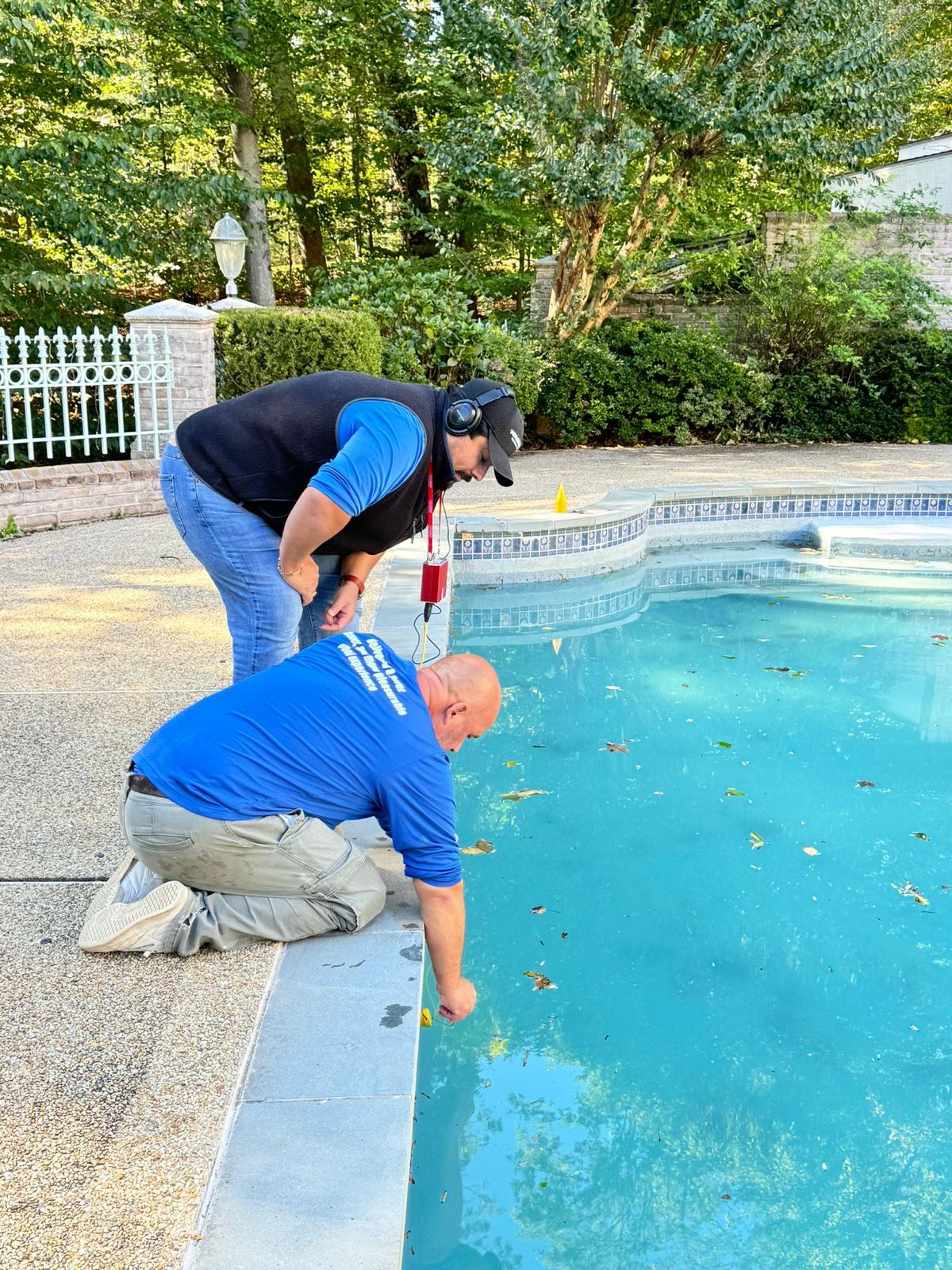
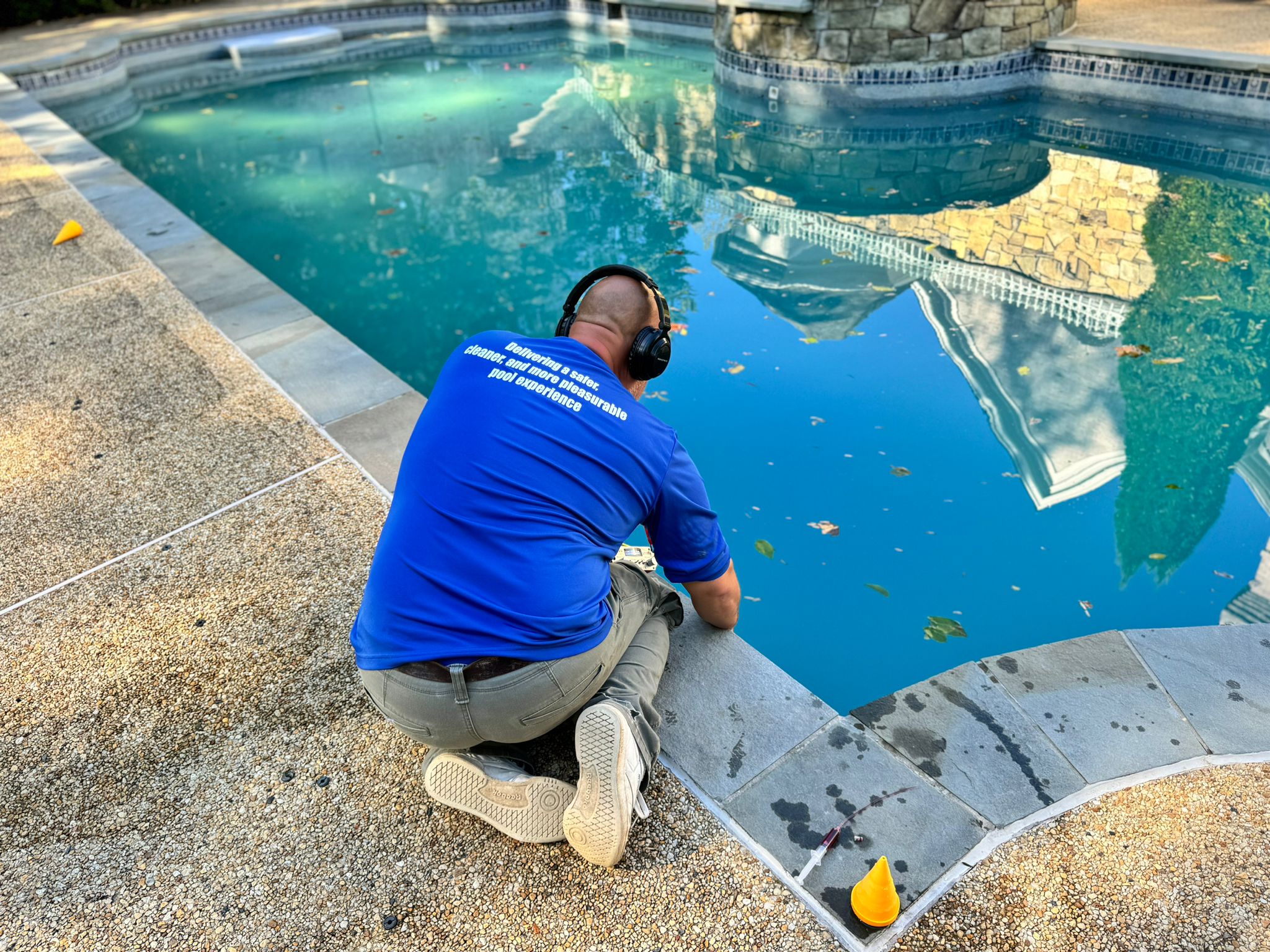
Sonar Listening Devices to locate the leak through concrete, dirt, or decking
Pressure Testing that shows exactly which line is leaking
Dive Dye Testing confirms visible leaks near returns, lights, and fittings
Static Water Level Testing helps determine if it's evaporation or a leak
Electronic Leak Detection finds liner leaks without draining your pool
Helium Leak Location (Advanced) is used for pinpoint accuracy on underground plumbing leaks



LISA G.
Commercial Property Owner
Reliable, professional, and easy to work with. Paradise Pool Service keeps our pool clean and ready all the time. The weekly schedule makes a big difference, and I love not having to worry about maintenance anymore.

SARAH M.
Commercial Property Owner
We switched to Paradise Pool Service for weekly maintenance, and it’s been a huge difference. The water is always clear, and I don’t have to think about chemicals or cleaning anymore. They show up on time every week and keep everything running perfectly. Highly recommend if you want a stress-free pool.

JAMES T.
Commercial Property Owner
I used to try maintaining my pool myself, but it never stayed consistent. Since starting weekly service with Paradise, the pool has looked better than ever. They handle everything, from cleaning to balancing, and I haven’t had a single issue since.