
CPO Certified Pool Operator and Owner of Paradise Pool Service LLC
Published
·
Updated:
·
CPO Certified Pool Operator and Owner of Paradise Pool Service LLC
Published
·
Updated:
·
Pool tile issues usually don’t show up all at once.
They start small. A loose tile. A little discoloration. Maybe some buildup along the waterline.
Most people ignore it because the pool still “works.”
But tile problems don’t stay cosmetic. Over time, they affect your pool’s surface, structure, and long-term maintenance.
Here’s how to tell when it’s time to stop cleaning around the problem and actually replace your pool tiles.
Pool tiles aren’t just decorative.
They protect one of the most sensitive areas of your pool, which is the waterline and exposed plaster.
They also:
Keep staining from setting into the surface
Create a barrier against chemicals and UV exposure
Help maintain a clean, defined waterline
Add visibility and safety around steps and edges
When tiles fail, those areas become vulnerable.
Tile damage usually builds up gradually.
Here’s what to look for:
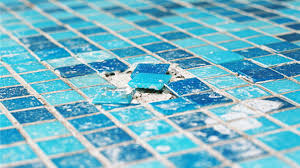
Cracked or chipped tiles
Loose tiles that move or fall off
Missing grout between tiles
Yellow, white, or chalky buildup that won’t clean off
Faded or outdated appearance
Sharp or rough edges around steps or ledges
These aren’t just visual issues. They’re signs the surface is starting to break down.
This is one of the biggest indicators.
If you’re constantly scrubbing the waterline and it keeps coming back, the problem isn’t just dirt.
It’s usually:
Calcium buildup embedded into the tile
Porous or worn tile surfaces
Chemical imbalance damage over time
At that point, cleaning becomes temporary. Replacement is what actually fixes it.
A loose tile is rarely just a tile issue.
It often means:
The adhesive has failed
Water has gotten behind the tile
The bond beam may be starting to deteriorate
If left alone, this can spread and lead to more extensive repairs.
A lot of pool owners delay tile replacement because it doesn’t seem urgent.
But over time, it can lead to:
Water getting behind surfaces
Damage to plaster or structure
More tiles loosening or falling off
Higher repair costs later
What starts as a small section can turn into a full renovation.
In some cases, yes.
If the issue is very small and isolated, spot repairs can work temporarily.
But if you’re seeing multiple signs across the pool, full replacement is usually the better long-term option.
It solves the root problem instead of patching it.
If your tiles are showing wear, don’t guess.
A simple plan:
Inspect your tile line closely
Look for loose, cracked, or stained sections
Pay attention to buildup that keeps returning
Get a professional evaluation before it spreads
Catching it early keeps the project smaller and more manageable.
Pool tile problems are easy to overlook because they start small.
But they’re often the first sign that your pool surface is aging or breaking down.
Replacing tiles at the right time protects your pool, improves how it looks, and prevents more expensive repairs later.
Ed Garcia is the owner of Paradise Pool Service LLC, a family-owned pool service company based in Fairfax, VA. With over 20 years of hands-on experience servicing residential and commercial pools across Washington DC and Northern Virginia, Ed leads a team trusted by 150+ pool owners across the DMV area.