

CPO Certified Pool Operator and Owner of Paradise Pool Service LLC
Published
·
Updated:
·
6 min. read
CPO Certified Pool Operator and Owner of Paradise Pool Service LLC
Published
·
Updated:
·
6 min. read
How you close your pool in October decides what you open to in April. Get it right and you pull the cover off clear water. Get it wrong and you're looking at a green swamp, or worse, a cracked pipe from water that froze where it shouldn't have.
This guide walks through closing your pool step by step, with the actual numbers to hit, in the order that protects both your water and your equipment over the winter.
Close when water stays below 60°F consistently
Balance the water 5 to 7 days before closing
Blowing out the lines prevents frozen, cracked pipes
Lower the water level below the skimmer
A good close means an easy spring open
What | Target |
|---|---|
Water temperature to close | Below 60°F |
pH | 7.2 to 7.6 |
Total alkalinity | 80 to 120 ppm |
Calcium hardness | 200 to 400 ppm |
Chlorine before cover | Shocked, then down to 1 to 3 ppm |
Water level | 4 to 6 inches below the skimmer |
Don't close too early, because timing matters more than the calendar. The trigger is water temperature, not a date on the calendar.
Close once water stays below 60°F
Algae growth slows right down below 60°F
Closing too warm invites a bloom under the cover
In Northern Virginia that's usually mid to late October
Close while the water's still warm and algae keeps growing all winter under the cover. So wait for that consistent 60°F, even if the pool's done being used.
A pool going under a cover for 5 months needs to go under clean. Anything you leave behind sits and decays for the whole winter.
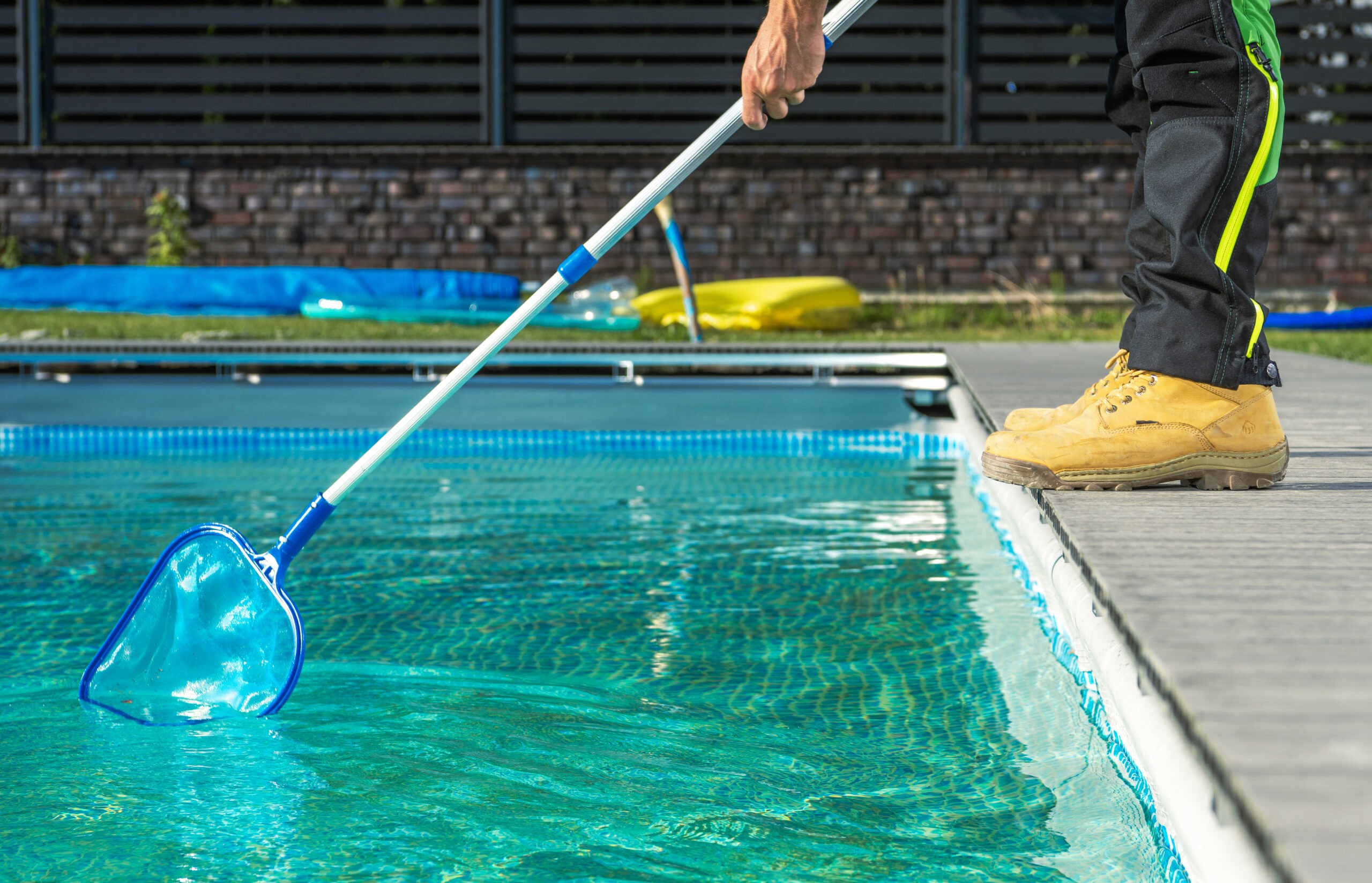
Skim the surface completely
Brush the walls, steps and waterline
Vacuum the entire floor
Empty both skimmer and pump baskets
Every leaf you leave behind feeds algae and stains the surface over winter. So 20 extra minutes now saves you hours of scrubbing in spring.
Get your chemistry right about a week before you close, not the day of. This gives the levels time to settle and circulate properly.
pH between 7.2 and 7.6
Total alkalinity between 80 and 120 ppm
Calcium hardness between 200 and 400 ppm
Balance 5 to 7 days before closing day
Balanced water over winter is what stops staining and protects your surfaces from corrosion or scaling. And correcting it a week out means it's actually settled by the time you cover up.
Shock the pool a few days before closing, then let the chlorine come back down. Covering a pool at shock levels can bleach color from a liner.
Shock 2 to 3 days before you close
Do it after sunset for full strength
Let chlorine fall back to 1 to 3 ppm
Add winter algaecide once it's dropped
Shocking clears out anything living in the water before it goes dark for months. But cover it too soon at high chlorine and you risk bleaching a vinyl liner.
Drop the water below the skimmer, because water left in the skimmer freezes and cracks it. How far down depends on your cover type.
Drop to 4 to 6 inches below the skimmer
Use a mesh cover for a lower level
Solid covers sit closer to normal level
Don't drain the pool fully, ever
An empty pool can lift out of the ground or crack as it dries, which is a repair worth thousands. So lower it, but never fully drain it.
This is the step that prevents the expensive disaster. Water left in the plumbing freezes, expands, and cracks your pipes over winter.
Blow the water out of all lines
Plug the return jets with winter plugs
Add pool antifreeze to the lines if needed
Drain the pump, filter and heater fully
Never put regular car antifreeze anywhere near a pool, because it's toxic. Only ever use pool-rated antifreeze, and only in the lines, not the water.
Your pump, filter and heater all hold water that has to come out. Anything left inside can freeze and crack the housing.
Remove drain plugs from the pump and filter
Store the plugs in the pump basket so they're not lost
Backwash the filter before draining it
Store any removable equipment indoors
A cracked pump housing from trapped water is a common spring surprise. So 10 minutes draining now saves a full replacement later.
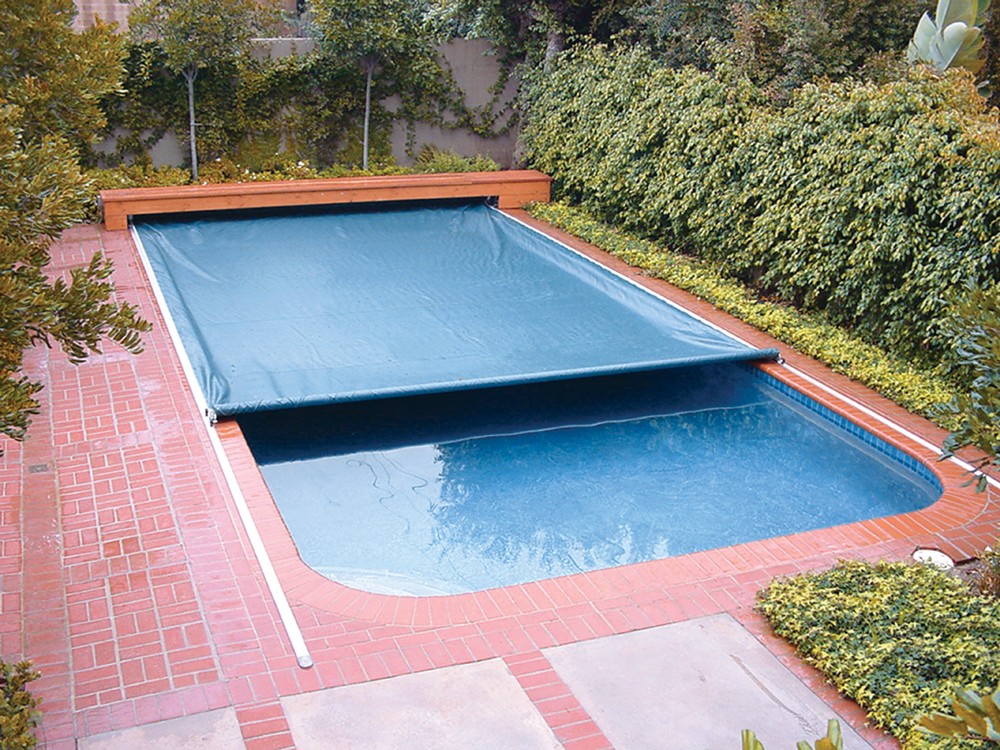
Finally, get the cover on tight and secured. A loose cover lets debris, rain and light straight back in, which undoes everything above.
Fit the cover snug with no gaps
Use water bags or clips to secure the edges
Consider a cover pump for solid covers
Check it stays sealed after the first storm
On a solid cover, rain and melt pool on top all winter, so a cover pump keeps that weight off. And check it again after the first big storm to make sure nothing's shifted.
Closing a pool well comes down to timing and order: wait for 60°F, clean it, balance a week out, shock and drop the chlorine, lower the water, clear the lines, drain the equipment, and cover tight. Do that and spring is easy.
Closing is also the one job where a mistake costs the most, since a frozen line means a repair, not just a green pool. Paradise Pool Service handles pool closings across Fairfax, McLean, Arlington, Alexandria and Washington DC, with a free on site quote before any work starts. You can check coverage on the service area page.
When should I close my pool for winter?
Do I need to drain my pool to close it?
Why do I have to blow out the lines?
What happens if I close my pool too early?
Can someone close my pool for me?
Ed Garcia is the owner of Paradise Pool Service LLC, a family-owned pool service company based in Fairfax, VA. With over 20 years of hands-on experience servicing residential and commercial pools across Washington DC and Northern Virginia, Ed leads a team trusted by 150+ pool owners across the DMV area.