
CPO Certified Pool Operator and Owner of Paradise Pool Service LLC
Published
·
Updated:
·
CPO Certified Pool Operator and Owner of Paradise Pool Service LLC
Published
·
Updated:
·
Pool water levels naturally change over time, but noticeable water loss usually means something needs attention.
Many pool owners assume the problem is always a leak, but that is not necessarily true. Weather conditions, evaporation, equipment problems, and maintenance issues can all cause the water level to drop faster than expected.
Understanding what causes pool water loss helps you determine whether the issue is normal or something that requires repair.
Some water loss is completely normal for every pool.
Most pools lose a small amount of water from:
Evaporation
Splash-out
Backwashing
Heavy pool usage
In hot weather, pools can lose around a quarter inch to half an inch of water per day through evaporation alone.
If the water level drops much faster than that, there may be a larger issue involved.
Evaporation is one of the most common reasons pool water levels decrease.
Pools lose water faster during:
Hot summer temperatures
Direct sunlight exposure
Low humidity conditions
Windy weather
Warm water combined with strong sun exposure accelerates evaporation significantly, especially during peak summer months.
Using a pool cover can help reduce water loss caused by evaporation.
Swimming activity naturally pushes water out of the pool.
This becomes more noticeable when:
Multiple swimmers use the pool regularly
Children are jumping or splashing heavily
Pool parties occur frequently
Large amounts of splash-out over several days can make the water level appear lower than normal.
Pool equipment leaks are one of the most overlooked causes of water loss.
Common problem areas include:
Pool pumps
Filters
Valves
Heaters
Plumbing connections
Small leaks around equipment pads often go unnoticed because the water evaporates quickly or drains into the ground nearby.
Inspecting the equipment area regularly helps catch these problems early. Check out our guide for most common reasons on Why Your Pool Filter Isn’t Working Properly
Some water loss comes from hidden plumbing leaks beneath the surface.
Possible causes include:
Cracked underground pipes
Broken return lines
Damaged suction lines
Shifting ground or soil movement
Underground leaks are more serious because they can continue wasting water without obvious visible signs.
If water loss becomes excessive, professional leak detection may be necessary.
Pool shell cracks can also allow water to escape slowly over time.
This is more common in:
Older pools
Concrete or gunite pools
Pools affected by soil movement
Pools with long-term structural wear
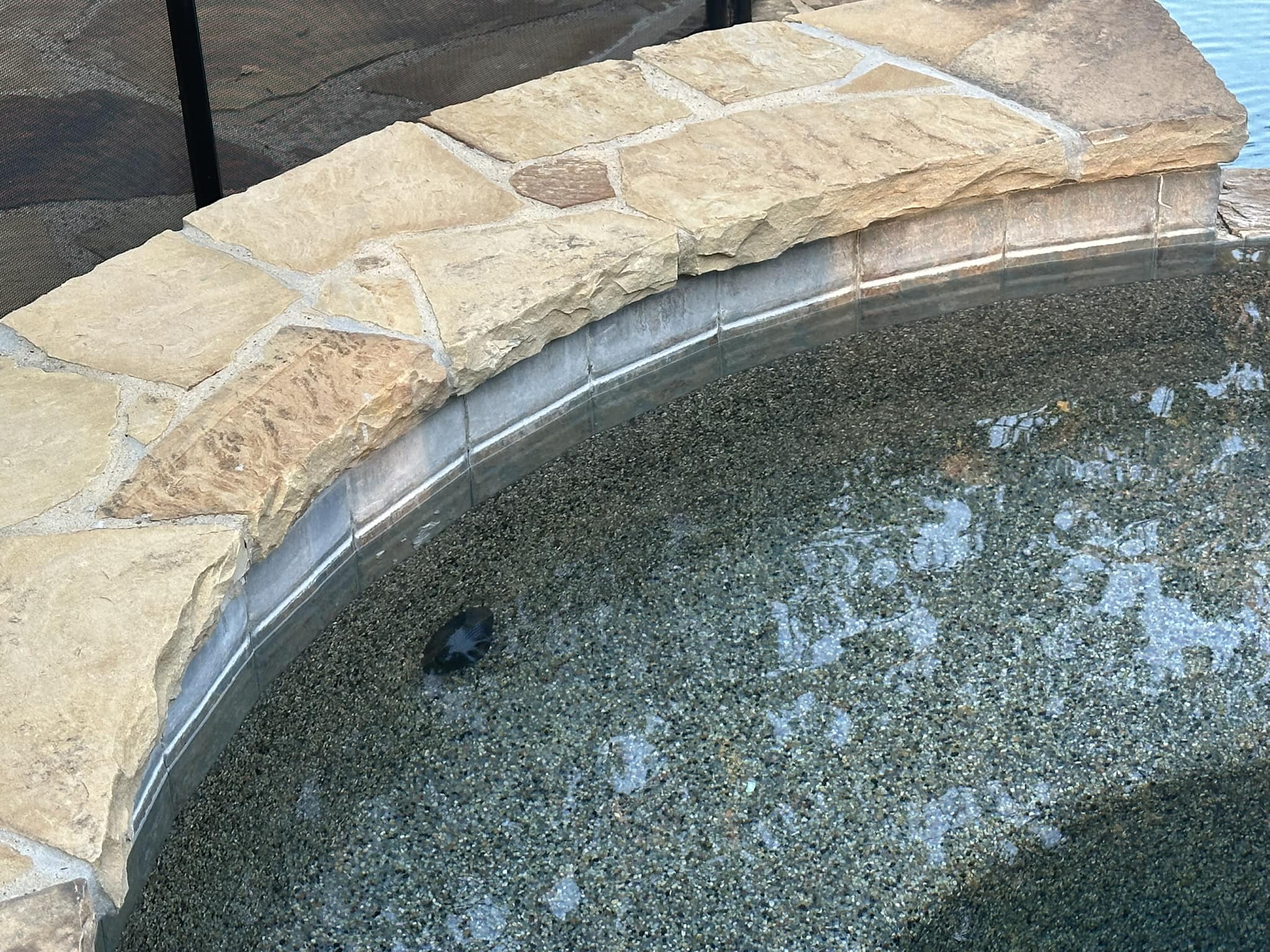
Visible cracks around the pool surface, tile line, or coping may indicate structural issues that need professional inspection.
Backwashing removes debris from sand and DE filters, but it also removes pool water.
Excessive backwashing can lower the water level faster than many pool owners realize.
This often happens when:
Filters are cleaned too frequently
Algae problems overload the filter
Filtration systems are not operating efficiently
Proper filter maintenance helps reduce unnecessary water loss.
Pools with automatic fill systems may hide water loss problems temporarily.
If the auto-fill constantly adds water, homeowners may not notice a leak developing until water bills increase significantly.
Common auto-fill issues include:
Malfunctioning valves
Stuck float systems
Hidden plumbing leaks
Continuous refilling
Monitoring water usage regularly helps identify problems early.
Not every dropping water level means there is a serious leak, but some warning signs should not be ignored.
Watch for:
Water loss greater than normal evaporation
Wet spots around the pool
Air entering the pump system
Cracks around the pool structure
Constant need to refill the pool
Increased water bills
These signs often indicate a larger issue beyond normal evaporation.
A simple bucket test can help determine whether the water loss is normal.
The process involves:
Filling a bucket with pool water
Placing it on a pool step
Marking water levels inside and outside the bucket
Comparing water loss after 24 hours
If the pool loses significantly more water than the bucket, a leak may be present.
If the water level continues falling quickly, start with a basic inspection.
Check the following:
Equipment pad for visible leaks
Pool plumbing connections
Cracks around the pool surface
Filter system performance
Water loss patterns over several days
Addressing the issue early usually prevents more expensive repairs later.
Some water loss issues require professional leak detection and repair.
You should contact a pool professional if:
Water loss becomes excessive
Structural cracks appear
Equipment leaks continue
Air enters the circulation system
The source of the leak cannot be identified
Professional testing can locate hidden plumbing and structural problems before they become worse.
Some pool water loss is completely normal, especially during hot weather and periods of heavy pool use.
However, rapid or consistent water loss often points to equipment problems, leaks, or structural issues that should not be ignored.
Understanding the difference between normal evaporation and potential leaks helps you protect your pool, reduce water waste, and avoid larger repair costs in the future.
Ed Garcia is the owner of Paradise Pool Service LLC, a family-owned pool service company based in Fairfax, VA. With over 20 years of hands-on experience servicing residential and commercial pools across Washington DC and Northern Virginia, Ed leads a team trusted by 150+ pool owners across the DMV area.