
CPO Certified Pool Operator and Owner of Paradise Pool Service LLC
Published
·
Updated:
·
CPO Certified Pool Operator and Owner of Paradise Pool Service LLC
Published
·
Updated:
·
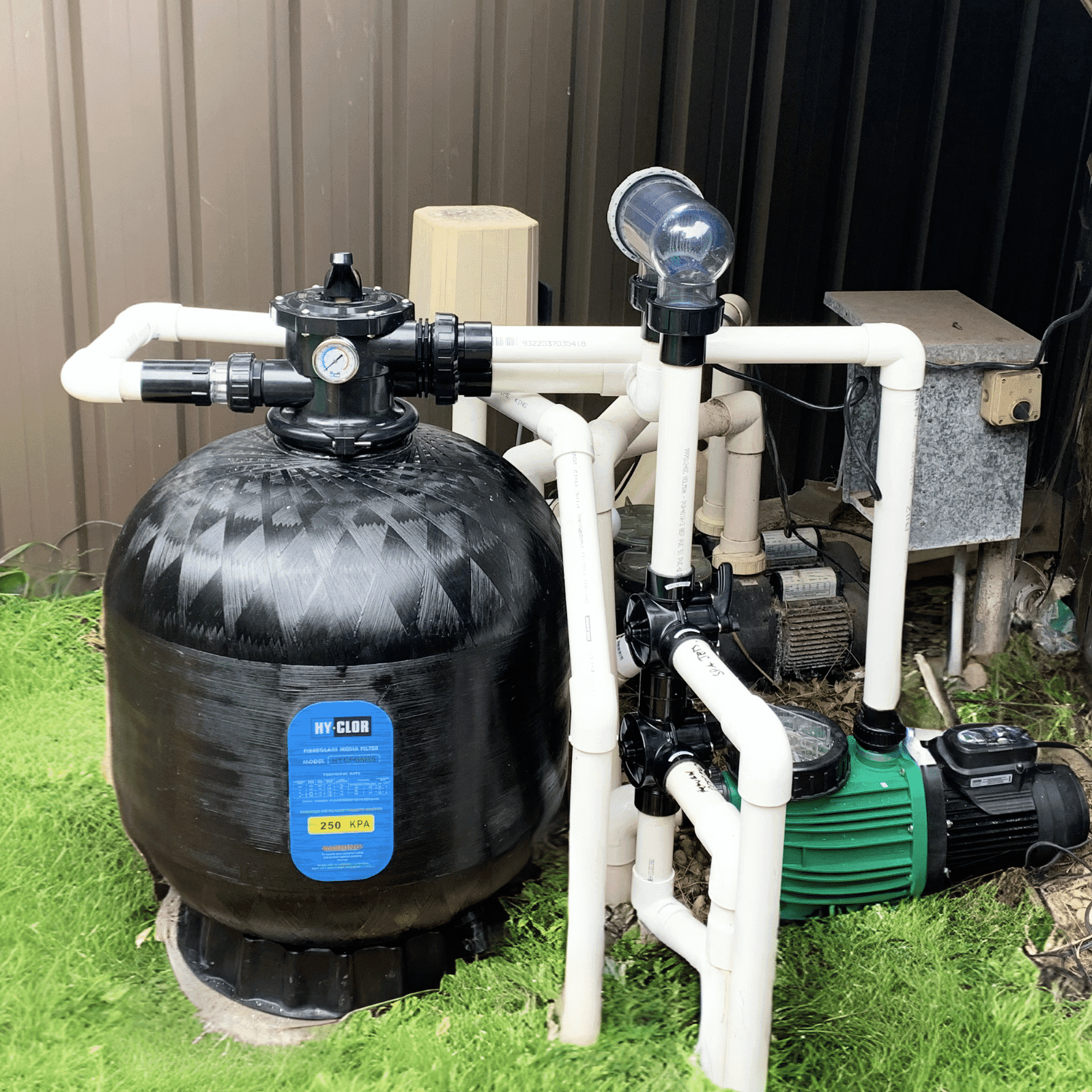
A pool filter is one of the most important parts of your entire pool system. When it stops working properly, everything else becomes harder to manage, including water clarity, chemical balance, and algae prevention.
Many pool owners assume cloudy water automatically means they need more chemicals, but in reality, filtration problems are often the real cause.
Understanding why your pool filter is not working properly helps you fix problems early before they turn into expensive repairs or long-term water quality issues.
Your pool filter is responsible for removing contaminants and debris from the water.
This includes:
Dirt and dust
Leaves and debris
Oils and sunscreen residue
Dead algae
Small particles suspended in the water
Without proper filtration, even balanced pool water can quickly become cloudy or unsafe.
[Internal Link Opportunity: “How Pool Filtration Systems Work”]
Most filtration problems show warning signs before the system completely fails.
Common signs include:
Cloudy or hazy water
Weak water return flow
Debris returning to the pool
Rising filter pressure
Algae growing despite balanced chemicals
Dirt collecting on the pool floor shortly after cleaning
If your water quality keeps getting worse even with proper maintenance, the filter system is often the first thing to inspect.
One of the most common reasons a pool filter stops working properly is dirty filter media.
This can happen with:
Cartridge filters
Sand filters
DE filters
As debris builds up, water flow becomes restricted, which reduces the filter’s ability to clean the pool effectively. Regular cleaning and maintenance help restore proper circulation and filtration performance.
A filter can only work properly if water is moving through the system correctly.
Poor circulation is often caused by:
Clogged skimmer baskets
Blocked pump baskets
Closed valves
Dirty pipes
Air leaks in the system
When circulation slows down, debris stays suspended in the pool longer and filtration efficiency drops significantly.
Some pools simply have undersized filtration systems.
A filter that is too small for the pool struggles to keep up with:
Heavy swimmer usage
Debris loads
Algae prevention
Proper turnover rates
This leads to constant cleaning issues even when the equipment is technically functioning.
A properly sized filter system makes routine maintenance far more effective.
Pool filters contain internal parts that wear down over time.
Common failures include:
Torn cartridges
Broken laterals in sand filters
Damaged DE grids
Cracked filter tanks
Worn seals or O-rings
Once components begin failing, debris bypasses the filtration system and returns directly into the pool water.
Even a good filter cannot clean water properly if the pump is not running long enough.
Most residential pools need adequate daily circulation to:
Remove contaminants
Prevent dead zones
Distribute chemicals evenly
Support algae prevention
Short pump cycles reduce overall filtration effectiveness and often contribute to cloudy water problems.
High filter pressure is a clear sign something is restricting water flow.
This is commonly caused by:
Dirty filter media
Blockages in the plumbing
Closed return lines
Excess debris buildup
Ignoring pressure problems places additional strain on the pump and filtration equipment, which can eventually lead to more serious system damage.
Low pressure can also indicate filtration issues.
Possible causes include:
Air leaks
Pump problems
Clogged impellers
Suction-side blockages
Low water levels
Weak circulation reduces the filter’s ability to capture debris efficiently, allowing contaminants to remain in the water longer.
Filtration and water chemistry work together.
When chemistry becomes unbalanced, problems like calcium buildup, algae growth, and cloudy water can overwhelm the filter system.
Common chemistry-related issues include:
High calcium hardness
High phosphates
Algae blooms
Improper chlorine levels
Even a properly functioning filter struggles when water chemistry is neglected.
Some pool owners clean their filters too often, while others wait far too long.
Improper maintenance schedules can reduce filtration efficiency instead of improving it.
For example:
Over-cleaning sand filters can reduce filtration performance
Neglecting cartridge cleaning restricts circulation
Delayed DE maintenance allows buildup to harden inside the system
Following the correct maintenance schedule helps the filter operate consistently.
If your filter system is struggling, start with the basics before assuming major repairs are needed.
Check the following:
Filter pressure readings
Skimmer and pump baskets
Water flow strength
Filter cleanliness
Pump runtime
Visible leaks or cracks
In many cases, small maintenance issues are responsible for larger water quality problems.
Some filtration problems require professional diagnosis and repair.
You should contact a pool professional if you notice:
Persistent cloudy water
Leaking equipment
Cracked filter tanks
Pump failure
Recurring algae despite treatment
Pressure issues that do not improve after cleaning
Addressing equipment problems early usually prevents more expensive repairs later.
A pool filter does much more than keep the water looking clean. It plays a major role in circulation, sanitation, and overall pool health.
When your filter is not working properly, the effects quickly spread throughout the entire system.
Staying proactive with cleaning, inspections, and maintenance helps your filtration system operate efficiently and keeps your pool water clear, balanced, and easier to maintain long term.
Ed Garcia is the owner of Paradise Pool Service LLC, a family-owned pool service company based in Fairfax, VA. With over 20 years of hands-on experience servicing residential and commercial pools across Washington DC and Northern Virginia, Ed leads a team trusted by 150+ pool owners across the DMV area.