
CPO Certified Pool Operator and Owner of Paradise Pool Service LLC
Published
·
Updated:
·
CPO Certified Pool Operator and Owner of Paradise Pool Service LLC
Published
·
Updated:
·
Black algae is one of the most frustrating pool problems homeowners deal with.
Unlike regular green algae, black algae attaches deeply to pool surfaces and becomes much harder to remove once it spreads.
Many pool owners mistake it for dirt, stains, or discoloration at first, which allows it to continue growing unnoticed.
Knowing how to identify black algae early makes treatment faster, easier, and far less expensive.
Black algae is a stubborn form of algae that develops protective layers over itself, making it resistant to normal chlorine levels.
It typically grows in:
Concrete pools
Gunite pools
Plaster surfaces
Rough pool finishes
Unlike green algae that floats in the water, black algae roots itself into the pool surface itself.
This is why it often keeps returning if not treated properly.
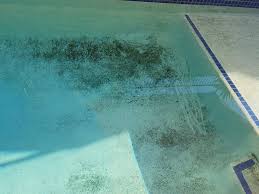
Black algae usually appears as dark spots attached to the pool surface.
Common characteristics include:
Small black or dark blue spots
Raised or textured patches
Clustered growth patterns
Stains that look embedded into the plaster
Spots that do not brush away easily
It often develops in areas with poor circulation or limited sunlight.
Black algae tends to grow in hidden or low-flow sections of the pool.
Common locations include:
Pool corners
Deep ends
Around steps and ladders
Cracks in plaster
Rough pool surfaces
Shaded sections of the pool
These areas create conditions where algae can attach and spread more easily.
Many pool owners confuse black algae with surface stains.
A few key differences help identify it correctly.
Black algae usually:
Feels slightly raised or rough
Returns quickly after brushing
Has a dark center appearance
Spreads slowly over time
Resists standard chlorine treatment
Regular dirt or stains typically do not grow, spread, or return after cleaning.
Black algae protects itself with multiple layers that shield it from chemicals.
This protective barrier makes it harder for chlorine to penetrate fully.
As a result:
Brushing alone usually does not remove it
Standard chlorine levels are often ineffective
Surface roots remain embedded
Regrowth becomes common
Successful treatment requires both aggressive brushing and proper chemical treatment together.
Certain pools are more vulnerable to black algae growth.
Higher-risk pools include:
Older plaster pools
Pools with rough surfaces
Pools with poor circulation
Neglected pools
Pools with recurring algae problems
Concrete and plaster surfaces give black algae more places to anchor itself compared to smoother vinyl surfaces.
Black algae usually forms when sanitation and circulation problems continue for extended periods.
Common contributing factors include:
Low chlorine levels
Poor filtration
Inconsistent maintenance
High phosphate levels
Dirty filters
Limited brushing
Once black algae establishes itself, it becomes much harder to fully eliminate.
One simple way to test suspicious spots is by brushing them aggressively with a steel or algae brush.
If the spot:
Lightens temporarily
Releases dark residue
Quickly returns afterward
there is a strong chance it is black algae.
Surface stains usually do not react this way.
Removing black algae requires a more aggressive process than standard algae cleanup.
Treatment often includes:
Aggressive surface brushing
High chlorine shock treatment
Algaecide application
Continuous filtration
Repeated cleaning cycles
In severe cases, professional treatment may be necessary to fully eliminate deep-rooted growth.
Black algae frequently returns when treatment only removes the surface layer.
If the root structure remains inside the plaster, the algae can regrow quickly.
Recurring black algae is commonly caused by:
Incomplete brushing
Weak chlorine levels
Poor circulation
Dirty filtration systems
Inconsistent maintenance
Long-term prevention requires fixing the underlying pool conditions, not just treating the visible spots.
Preventing black algae is much easier than removing it.
Good prevention habits include:
Maintaining proper chlorine levels
Brushing pool surfaces weekly
Cleaning filters regularly
Improving circulation
Removing debris quickly
Monitoring water chemistry consistently
Pools with consistent maintenance are far less likely to develop stubborn algae problems.
Some black algae outbreaks become too severe for standard DIY treatment.
You should contact a pool professional if:
Black spots continue spreading
Algae keeps returning repeatedly
Pool surfaces become heavily stained
Water quality continues declining
Brushing and shocking do not improve the issue
Professional treatment may involve stronger chemicals, deeper cleaning, or surface restoration depending on the severity.
Black algae is one of the most stubborn forms of pool algae because it attaches deeply to pool surfaces and resists normal treatment methods.
Catching it early makes removal much easier and helps prevent long-term staining or surface damage.
Regular brushing, balanced water chemistry, strong circulation, and proper filtration all play an important role in preventing black algae from developing in the first place.
Ed Garcia is the owner of Paradise Pool Service LLC, a family-owned pool service company based in Fairfax, VA. With over 20 years of hands-on experience servicing residential and commercial pools across Washington DC and Northern Virginia, Ed leads a team trusted by 150+ pool owners across the DMV area.