
CPO Certified Pool Operator and Owner of Paradise Pool Service LLC
Published
·
Updated:
·
CPO Certified Pool Operator and Owner of Paradise Pool Service LLC
Published
·
Updated:
·
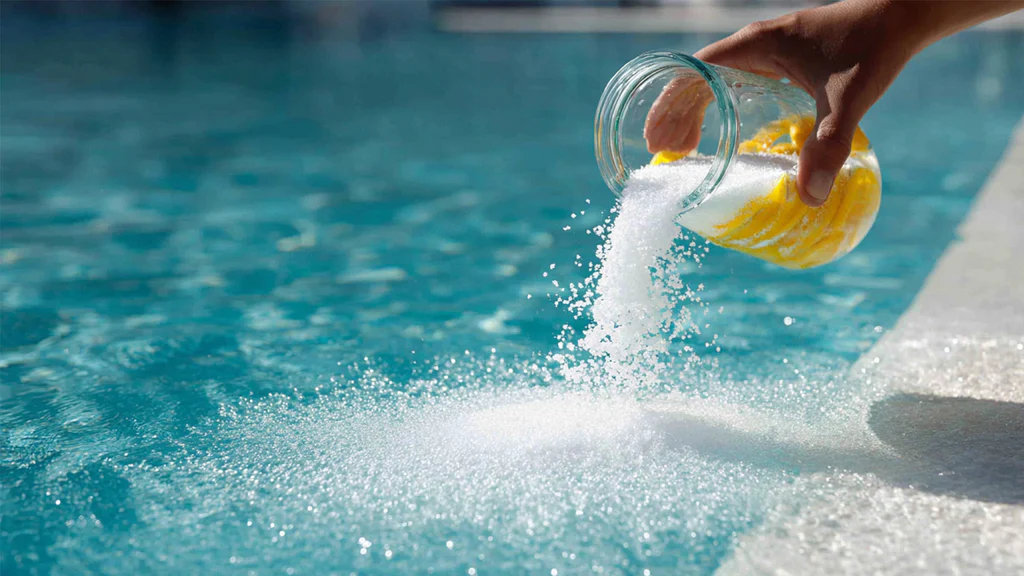
Low chlorine is one of the most common reasons pools start developing cloudy water, algae, and strong odors.
Many pool owners add chlorine regularly but still struggle to maintain consistent levels throughout the week. In most cases, the problem is not simply adding more chlorine. It is understanding what causes chlorine to disappear so quickly in the first place.
Keeping chlorine levels stable helps protect water quality, reduces algae growth, and makes overall pool maintenance much easier.
Here are five practical tips that help keep your chlorine levels up and your pool water properly sanitized.
Chlorine works best when the rest of the water chemistry is balanced properly.
Important levels to monitor include:
pH
Total alkalinity
Cyanuric acid
Calcium hardness
If the pH becomes too high, chlorine becomes less effective even if test strips show chlorine is present.
Balanced water allows chlorine to sanitize the pool more efficiently and last longer throughout the day.
Good circulation helps distribute chlorine evenly throughout the pool.
When circulation is poor:
Dead zones develop
Chlorine becomes uneven
Algae grows more easily
Sanitizer gets consumed faster
Most pools need adequate daily pump runtime to keep chemicals moving properly through the filtration system.
Poor circulation often causes chlorine problems that look like chemical issues at first.
Leaves, dirt, insects, and organic debris constantly consume chlorine as they break down in the water.
The more debris sitting in the pool, the harder chlorine has to work.
Important maintenance habits include:
Skimming regularly
Vacuuming debris
Emptying baskets
Brushing pool surfaces
Cleaning filters consistently
Cleaner pools usually maintain chlorine levels much more effectively.
Direct sunlight breaks down chlorine surprisingly fast, especially during hot summer weather.
This is where stabilizer, also called cyanuric acid, becomes important.
Proper stabilizer levels help:
Protect chlorine from UV rays
Reduce chlorine burn-off
Improve chlorine efficiency
Maintain more consistent sanitizer levels
Without enough stabilizer, chlorine can disappear rapidly even if chemicals were recently added.
Sometimes chlorine levels stay low because contaminants have already overwhelmed the water.
Heavy swimmer use, storms, algae, and debris buildup can all increase chlorine demand significantly.
Shocking the pool helps:
Eliminate contaminants
Break down organic material
Restore sanitizer effectiveness
Prevent algae growth
Pools under heavy stress often need periodic shocking to maintain stable chlorine levels.
Most pools show clear warning signs when sanitizer levels begin dropping.
Common signs include:
Cloudy water
Green tint in the pool
Strong chlorine smell
Slippery walls
Burning eyes
Algae growth
Low chlorine problems usually get worse quickly if ignored for too long.
Rapid chlorine loss is often caused by hidden contamination inside the pool.
Common causes include:
Early algae growth
High phosphate levels
Excess organic debris
Poor circulation
Heavy rainfall
Dirty filters
If chlorine keeps disappearing unusually fast, the pool may already be fighting contamination behind the scenes.
Some maintenance habits actually make chlorine problems worse.
Common mistakes include:
Ignoring water balance
Running the pump too little
Allowing debris to accumulate
Skipping filter cleaning
Adding chemicals inconsistently
Neglecting stabilizer levels
Consistent maintenance is usually more effective than constantly adding extra chlorine.
Regular testing helps catch problems before water quality declines.
Most pools should have chlorine checked:
Several times per week during summer
After storms
After heavy pool usage
During algae treatment
After adding large amounts of water
Frequent testing helps maintain stable sanitizer levels and prevents sudden water problems.
Keeping chlorine levels up is not just about adding more chemicals. Proper circulation, balanced water chemistry, debris control, and regular maintenance all play a major role in helping chlorine stay effective.
Pools that are consistently maintained usually require fewer chemical corrections and experience fewer algae or cloudy water problems over time.
A stable chlorine level keeps the pool cleaner, safer, and much easier to manage throughout the swimming season.
Ed Garcia is the owner of Paradise Pool Service LLC, a family-owned pool service company based in Fairfax, VA. With over 20 years of hands-on experience servicing residential and commercial pools across Washington DC and Northern Virginia, Ed leads a team trusted by 150+ pool owners across the DMV area.